
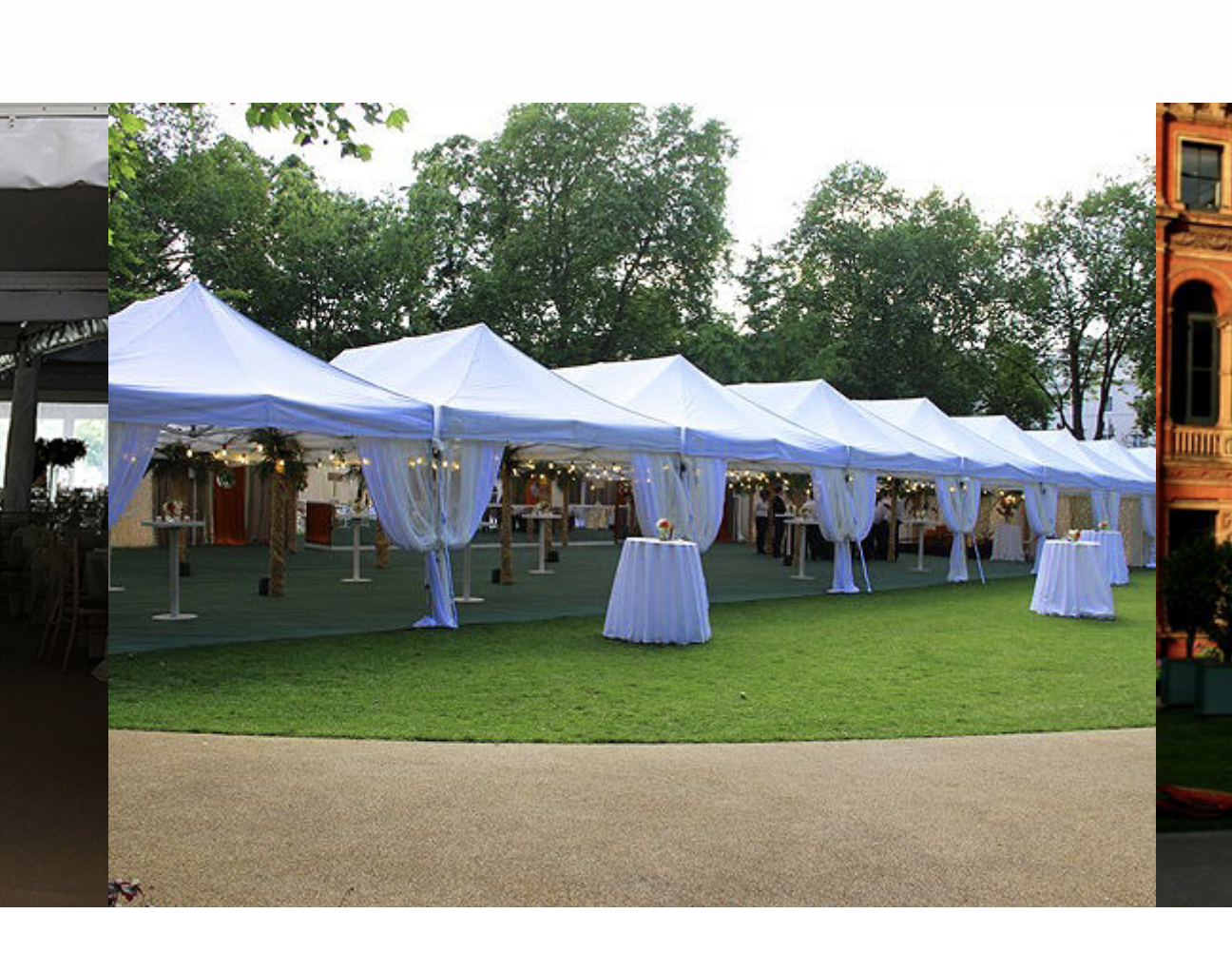
When planning an event, one of the first and most crucial questions you need to answer is: what type of event are you organising? Whether it’s a wedding, a corporate function, a festival, or a private party, this detail will set the tone for nearly every decision that follows — from the structure and size of the marquee to the interior layout, furniture, lighting, and even logistical needs.
Understanding the nature of your event not only helps streamline the planning process but ensures your setup enhances the experience for your guests. Let’s explore how different types of events come with their own specific requirements and considerations.
1. Weddings: Elegance, Flow & Emotion
Weddings are deeply personal and often the most elaborate of all events. Every couple has a unique vision, which means your marquee setup must be tailored with precision and care.
- Aesthetics matter: Romantic draping, ambient lighting (like fairy lights or chandeliers), and colour themes all play into creating a memorable atmosphere.
- Layout is crucial: You’ll likely need distinct zones for the ceremony, dining, dancing, and perhaps a lounge or bar area. Guest flow between these areas should be natural and spacious.
- Comfort is a priority: Heating or cooling, flooring for high heels, and even soundproofing may be necessary depending on the season and location.
For weddings, the marquee isn’t just a shelter — it’s the heart of the celebration.
2. Corporate Events: Structure, Branding & Professionalism
Corporate events vary widely — from product launches and award dinners to networking receptions and team-building retreats. Regardless of the format, professionalism and function are key.
- Branding opportunities: Marquees can be customised with logos, brand colours, signage, and media screens.
- Layout requirements: You may need space for presentations, stages, exhibition booths, or seated dining depending on the agenda.
- Functionality: Wi-Fi access, lighting, sound systems, and catering logistics should all be built into the marquee plan.
The objective of most corporate events is to impress, engage, or inform — and the marquee should reflect that purpose clearly.
3. Festivals & Public Events: Flexibility & Footfall
Festivals, community fairs, and public markets often involve large crowds and dynamic setups. Flexibility and efficiency are key to handling the ebb and flow of people.
- Modular structures are ideal for creating walkways, covered vendor areas, entertainment stages, or chill-out zones.
- Durability & safety become more important: Weatherproofing, ventilation, and secure anchoring ensure the event runs smoothly under varying conditions.
- Logistics: Access for performers, vendors, staff, and emergency services must be considered. Separate zones for ticketing, first aid, and catering might also be required.
Marquees here serve as functional infrastructure — but that doesn’t mean they can’t look great too.
4. Private Parties: Personality & Practicality
From birthdays and anniversaries to retirement celebrations, private parties are where personality shines. These events are usually more casual but still benefit greatly from thoughtful planning.
- Style choices: Coloured gazebos or stretch tents can add flair, while open-sided setups are great for warm weather.
- Layout: Consider dance floors, buffet or bar setups, and lounge seating areas to keep guests comfortable and entertained.
- Simplicity: Private parties often benefit from straightforward setups that allow hosts to relax and enjoy the event with their guests.
Marquees make private events more weatherproof and adaptable while adding a focal point to the celebration.
5. The Knock-On Effects of Your Event Type
Your event type doesn’t just influence décor or layout — it has ripple effects on other important decisions:
- Size: A wedding for 80 guests requires different space planning than a 500-person festival.
- Catering setup: Sit-down meals vs. food trucks vs. canapés — each affects where and how catering areas are arranged.
- Lighting & sound: Romantic lighting for weddings differs from stage lighting for performances.
- Amenities: Will you need portable toilets, cloakrooms, or changing areas? That often depends on the event type and duration.
Final Thoughts
Deciding on the type of event you’re planning may seem obvious, but taking time to define it clearly will save you significant effort down the line. It serves as the foundation for choosing the right marquee size, style, layout, and equipment — and ensures your event feels cohesive, comfortable, and perfectly suited to its purpose.
So before diving into colour schemes or chair styles, take a step back and ask: what kind of event are we creating? Everything else will fall into place from there.