
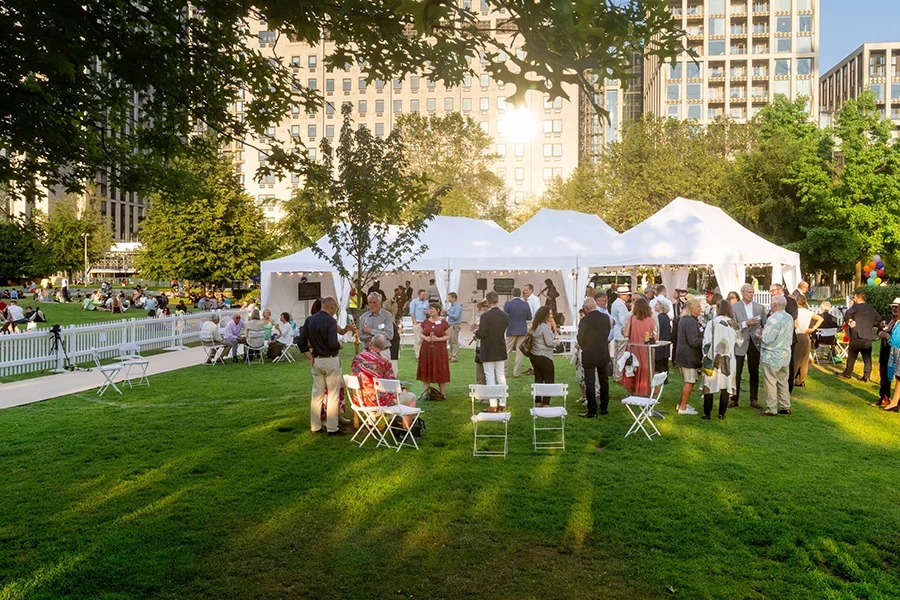
Finding the perfect marquee for your event starts with understanding your unique needs, from guest count and layout to season, style, and setting. Whether you’re planning a wedding, corporate function or garden party, the right marquee will provide both form and function. Here’s a practical checklist to help you make informed decisions every step of the way.
Why Guest Count Is the First Step to the Perfect Marquee
When planning any event—whether it’s a wedding, a birthday party, a corporate function, or a garden celebration—the number of guests you’re expecting should be the very first thing you consider. Why? Because it directly affects the size, layout, and even the type of marquee that will best suit your occasion.
Imagine booking a marquee that looks stunning on the outside but turns into a cramped and uncomfortable space the moment guests arrive. Or on the flip side, spending more than necessary on a structure that’s far too large, losing the intimate feel you were hoping for. Neither scenario is ideal—and both can be avoided with a clear guest count.
Most marquee hire companies offer modular designs, meaning we can build a marquee to match your numbers perfectly. Whether you’re hosting a small gathering of 30 or a grand celebration of 300+, knowing your attendance lets us guide you to the most cost-effective and comfortable solution.
Guest count also affects layout planning how many tables and chairs are required, space for a dance floor, buffet stations, a bar, or even a stage. It’s not just about squeezing everyone in; it’s about allowing movement, creating atmosphere, and making sure everyone feels included and at ease.
In short, your guest list is more than just a number it’s the blueprint for your entire marquee setup. So before you start looking at styles or extras, have a clear idea of how many people are coming. From there, the rest of your event planning will fall beautifully into place.

Choosing the Right Marquee for Your Event Type
When it comes to hiring a marquee, the type of event you’re planning is one of the most important details to consider. From weddings and birthday parties to corporate functions, festivals, and community fairs — each occasion has unique requirements that will shape the size, style, and layout of the marquee you need.
A wedding, for example, typically demands an elegant and spacious structure, with room for seated dining, a dance floor, bar, and possibly even a stage. You may want clear roof panels for natural light or silk linings for a more luxurious feel. Decorative elements like fairy lights, draped fabric, and floral arrangements are often part of the brief.
A corporate event, on the other hand, might call for something more practical and brand-focused. Whether it’s a product launch, trade show, or company gathering, you may need open spaces for displays, seating for presentations, or break-out areas for networking. Branded panels, AV setups, and modular layouts can all help enhance your company’s presence.
Festivals and community events usually benefit from robust, weatherproof structures that can handle high footfall and varying weather. Quick installation, easy access, and flexibility in size are often the top priorities.
Even smaller events like garden parties or milestone birthdays deserve attention to detail. A compact yet stylish gazebo or stretch tent might be all that’s needed, offering shelter and ambience without overwhelming the space.
Ultimately, understanding your event type ensures the marquee enhances rather than hinders the experience. At Casablanca Hire, we offer expert advice and tailored marquee solutions to suit every occasion, making sure your event feels just right — whatever the celebration.

Why Your Event Date & Season Matter in Marquee Planning
When planning an event with a marquee, your chosen date and the season play a crucial role in shaping the setup, structure, and extras you’ll need.
Unlike traditional indoor venues, marquees are highly flexible—but they also respond to the environment. That’s why understanding seasonal impact is essential to creating a comfortable and successful event.
A summer celebration might sound like smooth sailing, but don’t underestimate the need for shade, airflow, and even rain protection.
Hot days may call for open-sided marquees or stretch tents that allow natural ventilation, while sudden showers require strong waterproofing and sidewalls that can be rolled down quickly. In peak heat, fans or cooling systems might be necessary to keep guests comfortable.
Autumn and spring events are increasingly popular, but come with unpredictable weather. A modular marquee can be a perfect solution as it adapts to changing conditions. You can start with open sides and easily close them if the wind picks up.
Flooring becomes more important too, especially on damp ground—wooden or carpeted options prevent muddy mishaps and maintain a clean, stylish space.
For winter events, heating becomes essential. Our marquee heaters are specifically designed for cold nights and can transform a chilly tent into a cosy, inviting venue. Sidewalls, insulation linings, and closed entrances all help maintain warmth and protect guests from the elements.
In short, the date and season should never be an afterthought. They directly influence the marquee type, structure, and accessories required for a smooth experience.

Why Location & Surface Matter When Hiring a Marquee
When hiring a marquee, one of the most overlooked — yet vital — considerations is the location and the surface where the marquee will be installed.
Whether it’s a lush garden lawn, a car park, a field, or a more challenging sloped area, the surface plays a huge role in determining the setup, structure, and comfort of your event.
Grass is often the most popular surface for marquees, especially in private gardens and parks. It’s naturally soft, which allows for secure anchoring using stakes.
However, wet grass can become muddy quickly, so flooring like wooden boards or artificial grass is often recommended for added comfort and cleanliness.
If your marquee is being set up on tarmac, concrete, or other hard surfaces, we use weighted ballasts instead of stakes to safely secure the structure.
This method is just as secure but requires advance notice so we can plan for logistics and equipment.
These surfaces are ideal for urban settings or car parks but may require additional considerations like non-slip flooring.
Uneven or sloped ground poses more challenges. While it’s not impossible to install a marquee, our team will assess the gradient and recommend the best configuration. In some cases, staging or leveled flooring systems may be needed to create a safe and stable environment for your guests.
Accessibility is also key — our setup team will need vehicle access to deliver and install your marquee and accessories. Narrow gateways, overhead restrictions, or limited parking can impact delivery times and equipment.

Why Layout Planning Is Crucial for Marquee Events
When organising an event in a marquee, it’s not just about choosing the right size or style—the interior layout design can make or break the entire experience.
Whether you’re planning a wedding, corporate function, or private celebration, thinking ahead about how you want to use the space is key to making everything flow smoothly.
Start by considering how your guests will move through the event. Is there a clear space for arrival or a reception area? Do you want guests to be seated at tables or mingling more freely?
If there’s a sit-down meal, you’ll need to allocate ample space for round or long tables, plus extra room for chairs to be pulled out comfortably.
Dance floors are another popular feature. These need dedicated space that’s not only large enough to accommodate dancers but also positioned to maintain the energy of the room.
Placing the dance floor too far from seating or the bar can lead to a fragmented feel.
If you plan to have a stage for speeches, live music, or a DJ, that also requires strategic placement. You’ll want it visible to everyone, with enough room for equipment, lighting, and safe access.
Similarly, bar areas need to be accessible but not disruptive—ideally close enough for convenience but far enough to avoid noise interference during key moments.
Don’t forget space for buffet tables, photo booths, or lounge areas, if you’re including those. And always account for functional needs like catering prep zones, cloakrooms, or storage.
Careful layout planning ensures your marquee is both beautiful and practical. It’s not just about fitting everything in—it’s about creating a comfortable, enjoyable environment that suits the rhythm and purpose of your event.
Budget
Setting a realistic budget is a fundamental step in planning any event involving marquee hire. It’s easy to underestimate the total cost when focusing solely on the marquee itself, but several other factors quickly add up.
Consider delivery and collection charges, installation fees, furnishing costs, lighting, flooring, and any necessary extras like heating or generators.
Having a full understanding of what’s included and what’s an add-on can help you avoid unexpected expenses. Don’t forget to budget for contingency, especially for weatherproofing or last-minute changes.
If you’re working with multiple suppliers, ask for itemised quotes so you can compare costs transparently. Also, keep in mind that some services may offer discounts for off-peak dates or bundle deals if you hire multiple items.
Establishing a clear budget from the beginning allows you to prioritise essentials and make informed choices without compromising your event experience.

Style & Aesthetics
The style of your marquee should reflect the overall theme or vibe of your event. Are you going for classic and elegant?
A traditional clear span marquee with white linings might be the answer. Prefer something more modern and relaxed? Stretch tents offer a flowing, contemporary look and work especially well for festival-style or summer events.
For vibrant, casual occasions, coloured gazebo hire add a playful and distinctive touch. It’s not just the structure that contributes to aesthetics; it’s also the interior decor. Linings, drapery, lighting, and table arrangements all work together to create atmosphere.
Choosing a marquee style that matches your event’s tone ensures visual harmony and enhances the guest experience. Always consider the natural surroundings too.
For example, transparent roofs and walls offer panoramic views and lots of daylight, ideal for scenic or garden locations. Ultimately, aesthetics play a major role in setting the scene and leaving a lasting impression.
Flooring Options
Flooring isn’t just a finishing touch—it plays a major role in comfort, safety, and style. The right flooring will depend on your event type, budget, and venue surface.
Wooden flooring is a solid, level option suitable for uneven ground, ensuring stability and an elegant appearance. Carpet overlays can add warmth and colour while also enhancing insulation.
Artificial grass is popular for outdoor or casual events, giving a natural look without the mess. For parties or weddings, a dedicated dance floor is often a must-have, usually placed centrally or near the DJ or band.
Flooring also affects logistics—it can protect lawns, reduce slips, and create pathways in high-traffic areas. Consider flooring especially carefully for colder or wetter seasons where ground conditions can change rapidly.
Discuss flooring options with your supplier based on your marquee size and surface type to ensure both aesthetics and practicality are addressed.
Furniture
Furniture needs will vary based on your event’s format. Sit-down dinners require dining tables and chairs, while casual receptions might opt for cocktail tables, bar stools, and lounge seating.
A stage might be necessary for entertainment or speeches, and bar units add a social touch for evening functions. Think also about catering furniture like buffet tables or serving stations.
Knowing your furniture requirements early allows for better layout planning and ensures everything fits comfortably within the marquee. Remember to coordinate furniture style with the overall theme—rustic wooden tables for a countryside wedding, or sleek banqueting chairs for a corporate gala.
Also factor in practical extras such as coat rails, display plinths, or easels for signage. Once you know what you need, it’s easier to budget and source everything from a single supplier, simplifying logistics and creating a cohesive look.
Lighting
Lighting does more than illuminate your event—it creates atmosphere, guides movement, and ensures your marquee is functional after dark.
From practical floodlights and pendant fittings to decorative options like fairy lights, chandeliers, and festoon strings, the choices are vast. For weddings or evening parties, uplighting and warm-toned LED lights create a romantic and inviting feel.
For corporate events, task lighting or coloured branding lights may be more appropriate. Lighting should match the marquee layout—for instance, brighter lights over dining areas, and softer options in lounge zones.
Emergency lighting or outdoor path lights should also be considered for guest safety. Lighting can also highlight key areas like entrances, stages, or focal displays. Using dimmers or colour-changing bulbs allows for different moods during the event, giving flexibility and control.
Always account for power supply and placement when planning your lighting scheme.
Heating or Cooling
Depending on the season and weather, your marquee may need heating or cooling systems to keep guests comfortable.
For cooler months or evening events, portable marquee heaters are essential. They come in electric or gas varieties and are usually placed at key points around the space. Infrared heaters work well for targeted warmth without drying the air. In summer, fans or ventilation panels can help manage heat.
Open-sided marquees or stretch tents provide natural airflow, which is ideal for warm weather. Don’t forget that temperature control can also impact other areas like food service and floral arrangements.
Proper planning ensures your guests remain comfortable throughout the event, regardless of the weather conditions. Placement and safety should be discussed with your supplier, especially in enclosed spaces.
Power Supply
Power is the backbone of any event—from lighting and sound to catering and heating, almost everything relies on a steady supply. If your venue doesn’t offer mains access, you’ll need to hire generators.
Calculate your total power load requirements early on to choose the right equipment. Don’t forget essentials like extension leads, distribution boards, and backup systems. Layout planning should consider cable placement to avoid tripping hazards.
Power also affects the timing of setup, as electricians may need to test systems in advance. It’s crucial to liaise with all suppliers—from caterers to AV technicians—to ensure power demands are understood and met.
In rural or private land settings, bringing your own supply is often the only option, and the logistics must be well thought out.
Toilets & Facilities
For events hosted at outdoor or non-traditional venues, toilet hire is a necessity. Basic portable toilets might suffice for short, casual gatherings, but luxury toilet trailers are more appropriate for weddings or corporate events.
These often include lighting, mirrors, sinks, and are more pleasant for guests. The number of toilets required depends on your guest count and the event duration. Position them with privacy in mind, but also ensure easy access, lighting, and cleanliness. It’s also worth considering handwashing stations or sanitiser units, especially for food-heavy events.
Don’t overlook accessibility—at least one unit should be suitable for wheelchair users. Ensure that water and waste removal logistics are handled by the supplier, and check if your site needs any specific permissions.
Catering Setup
If food is being served, you’ll need to plan a designated catering area. This might be a separate tent connected to the main marquee or a side section depending on layout. Equipment needs vary—some caterers require ovens, prep tables, fridges, and hot holding units.
Even for buffet service or cold food, worktables, bins, and access to water may be required. Good ventilation and waste management are essential in the catering area. For formal events, waitstaff may need space to prep and stage dishes.
Coordinating early with your caterer ensures everything runs smoothly on the day. Don’t forget safety—cordon off hot zones and ensure power supply for electric kitchen equipment is up to spec. A well-organised catering area contributes to seamless service and a positive guest experience.
Access & Permissions
Before marquee installation begins, site access must be carefully evaluated. Wide enough entryways, clear paths for vehicles, and sufficient parking or loading space are all crucial for delivery and setup. In urban areas or tight garden spaces, manoeuvring can be difficult, so advance planning is essential.
You may also need permission from a landowner, venue manager, or even local councils for certain installations. Check for any restrictions such as noise regulations, time limits, or limitations on ground staking.
If you’re hosting on private land, make sure neighbours are informed, especially if generators or music are involved. Access also impacts setup time—difficult terrain may mean installation takes longer, which should be built into your timeline.
Sidewalls & Windows
Sidewalls are more than just a cosmetic choice. They play a role in temperature control, wind protection, and privacy.
Clear sidewalls offer scenic views and natural light, making them great for weddings and garden events. Solid sidewalls provide more insulation and are preferred for cooler or more formal functions. Some sidewalls come with panoramic or Georgian-style windows, offering a balanced mix of light and privacy.
Choose sidewalls based on your event type, time of year, and location. Modular marquees allow for flexibility, so you can mix wall types or adjust them throughout the day. For instance, you might start the day with sides open, then close them for the evening.
Always confirm what’s included in your hire package and what comes as an optional extra.
Weatherproofing
The British weather is famously unpredictable, so weatherproofing is non-negotiable for marquee events. Ensure the marquee is made from high-quality, waterproof material and that all seams are sealed properly.
Ground anchoring should be wind-rated to handle gusty conditions. Flooring is equally important—raised or waterproof flooring helps avoid soggy surfaces underfoot. Gutters and downpipes may be necessary if you’re connecting multiple tents.
For colder months, insulation linings or heaters can make a significant difference in guest comfort. Always have a contingency plan in case of extreme weather.
Ask your supplier for wind and water resistance ratings and whether the marquee meets relevant safety standards. Good weatherproofing ensures the show goes on—rain or shine.
Branding or Customisation
Corporate events often require branding opportunities, from logo placements to branded colour schemes.
Check if the marquee structure can support banners, signage, or vinyl wraps. Internally, lighting and furnishings can also carry a brand’s identity.
Some suppliers offer custom-coloured linings, flooring, or even custom-built entranceways. Personal events can also benefit from customisation—names, initials, or colour themes can be integrated to make the space truly unique.
Be sure to discuss branding needs in advance to ensure enough time for production and installation. Customisation adds a personal or professional touch that elevates the entire event experience.
Marquee Planning Guide (Video)
Setup & Take-down Time
Marquee installation isn’t instant. Depending on the size and complexity, setup can take several hours or even days.
Always factor this into your venue booking or planning schedule. Similarly, take-down and collection need time and access. If your event is at a shared venue, such as a public park or estate, coordinate timings with the site manager.
Be mindful of how setup might affect landscaping or site conditions—some installations may require protective measures. Communicate clearly with all suppliers about your event’s schedule to avoid delays and ensure smooth transitions before and after the event.
Supplier Reputation
The success of your marquee event relies heavily on the reliability of your supplier. Choose a provider with a proven track record, good insurance coverage, and transparent pricing.
Read reviews, ask for references, and view photos of past work. Experienced suppliers will offer helpful advice, handle last-minute changes professionally, and ensure safety standards are met.
Don’t hesitate to ask about their equipment maintenance routines or how they handle unexpected issues. A reputable company provides peace of mind, allowing you to focus on the event itself rather than troubleshooting logistical problems.